In precision machining, broaching is valued for its ability to produce accurate, repeatable profiles in a single pass. Among the various broaching tools available, internal broaches and external broaches are the most commonly used—each serving distinct purposes in modern manufacturing. Understanding their differences helps manufacturers select the right tool for optimal accuracy, efficiency, and cost-effectiveness.
What Are Internal Broaches?
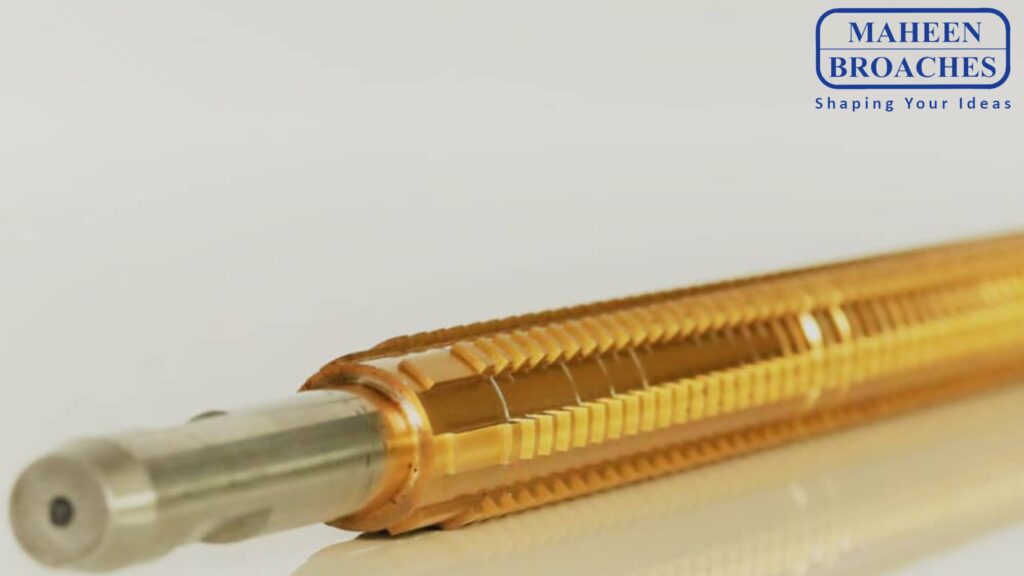
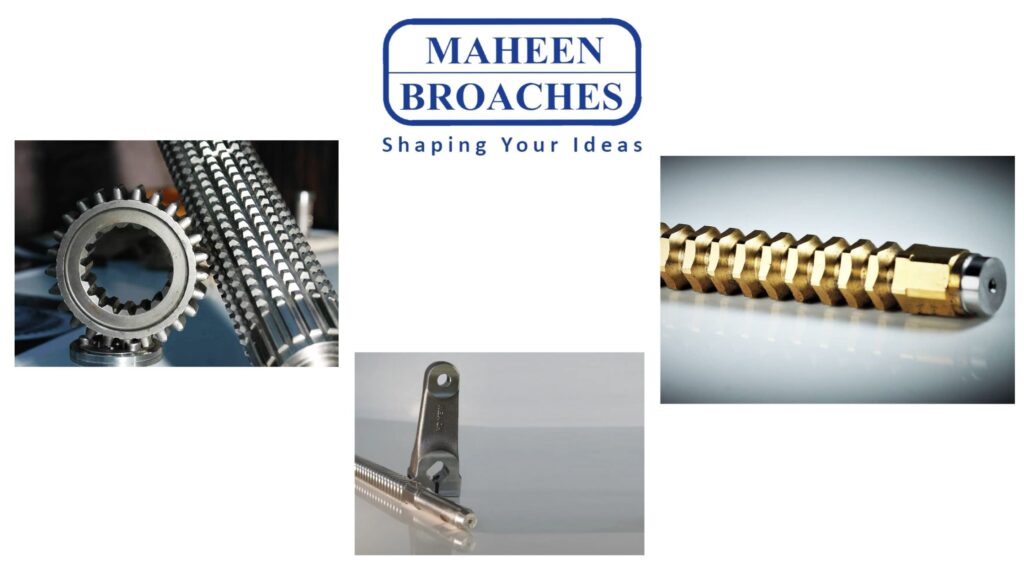
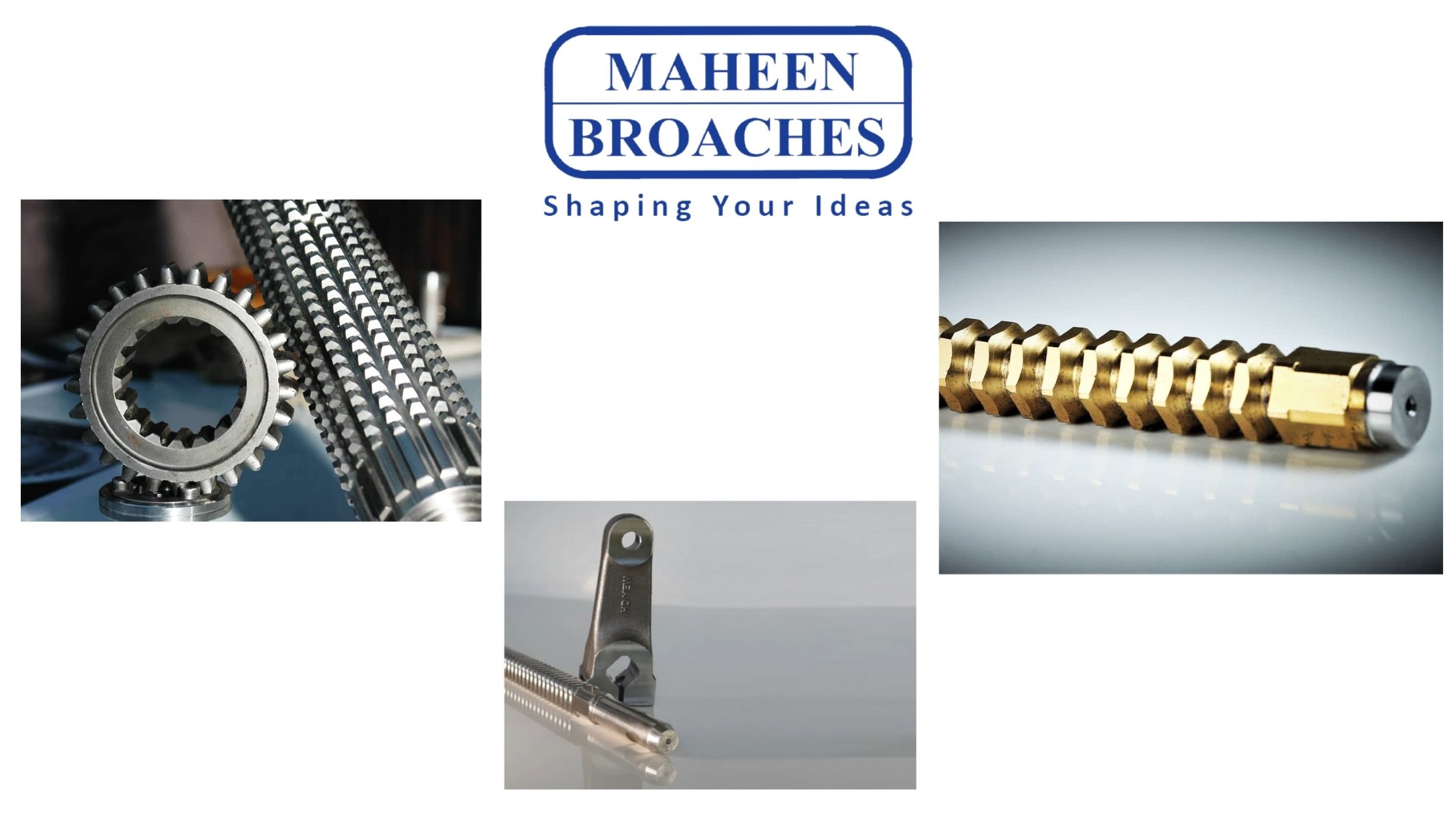
Internal broaches are designed to machine features inside a component. They are typically pulled or pushed through a pre-drilled hole to create internal profiles such as keyways, splines, serrations, polygonal shapes, and internal gears. Because the broach cuts progressively along its length, the final shape is achieved in one smooth stroke.
Key advantages of internal broaches include:
- Exceptional dimensional accuracy and repeatability
- Smooth surface finishes
- Ideal for high-volume production of precision internal profiles
Internal broaches are widely used in industries like automotive, aerospace, and heavy engineering, where tight tolerances and reliable performance are critical.
What Are External Broaches?
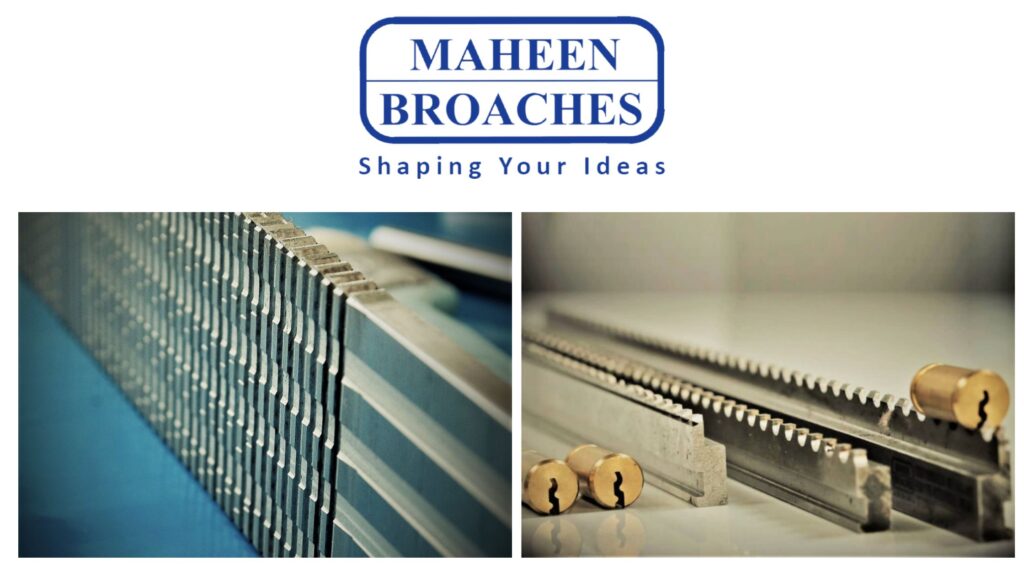
External broaches are used to machine surfaces on the outside of a workpiece. They can create flat surfaces, slots, external splines, gear teeth, and contoured profiles. Unlike internal broaching, external broaching often involves the workpiece passing over a stationary broach or the broach moving across the external surface.
Key benefits of external broaches include:
- Ability to produce complex external shapes in a single operation
- High productivity with consistent results
- Reduced need for secondary machining
External broaches are commonly used for components such as shafts, gears, turbine parts, and structural elements.
Key Differences at a Glance
Application Area: Internal broaches machine internal features; external broaches shape outer surfaces.
Tool Design: Internal broaches are long and slender to pass through holes, while external broaches are designed to engage exposed surfaces.
Typical Uses: Internal broaches are ideal for keyways and internal splines; external broaches are preferred for flats, slots, and external gear forms.
Choosing the Right Broach
Selecting between internal and external broaches depends on the component geometry, production volume, material, and tolerance requirements. At Maheen Broaches, we work closely with our customers to recommend or design broaching solutions that deliver maximum performance and tool life.
Conclusion
Both internal and external broaches play a vital role in precision manufacturing. By understanding their differences and applications, manufacturers can improve efficiency, reduce production costs, and achieve superior component quality. With Maheen Broaches’ expertise in precision tooling, you can be confident in choosing the right broach for every machining challenge.